The standard interior door size in most homes is 80 inches tall, 30 inches wide, and about 1⅜ inches thick. This size fits most bedrooms, bathrooms, and hallways. Some homes also use 28 inch, 32 inch, or 36 inch wide doors depending on space and accessibility needs. Choosing the correct interior door size ensures smooth opening, proper privacy, and long term reliability.
Interior doors do more than separate rooms. They help create comfort, control noise, and improve daily living. When a door fits correctly, it opens smoothly and closes securely. This prevents gaps that allow sound, light, or air to pass through.
A poorly sized door can create constant frustration. It may stick, drag on the floor, or fail to close properly. Over time, this causes damage to hinges, frames, and flooring. Homeowners often overlook door size until problems appear.
Understanding interior door sizing helps you avoid costly mistakes. It also ensures better performance, safety, and long term value.
Understanding Interior Door Basics, How Size, Frame, and Structure Work Together
An interior door works as a complete system. It includes the door panel, hinges, handle, and the standard door frame size. All these parts must align correctly for smooth operation.
The door panel is the moving part. It swings open and closed on hinges. The frame holds the door in position and provides structural support. If the frame is too large or too small, the door will not function properly.
Many homeowners focus only on the door itself. However, the frame plays an equally important role. Even a perfectly sized door cannot work correctly in the wrong frame.
A correctly fitted interior door improves everyday comfort. It opens easily, stays aligned, and lasts longer.
What Is the Standard Interior Door Size in Modern Residential Construction
The most common standard interior door size is 80 inches in height and 30 inches in width. This size works well for most homes. Builders use this measurement because it balances accessibility and space efficiency.
The thickness of most interior doors is 1⅜ inches. This thickness provides strength while keeping the door lightweight.
Other common interior door sizes include:
- 28 inches wide for smaller rooms
- 32 inches wide for improved accessibility
- 36 inches wide for better movement and modern design
These sizes allow homeowners to choose the right fit based on room use and layout.
The standard size door interior ensures consistent construction. Builders, manufacturers, and installers follow these measurements to simplify installation and replacement.
Knowing these sizes helps homeowners make informed decisions. It also makes replacement easier and faster.
Common Interior Door Sizes Used in Bedrooms, Bathrooms, and Hallways
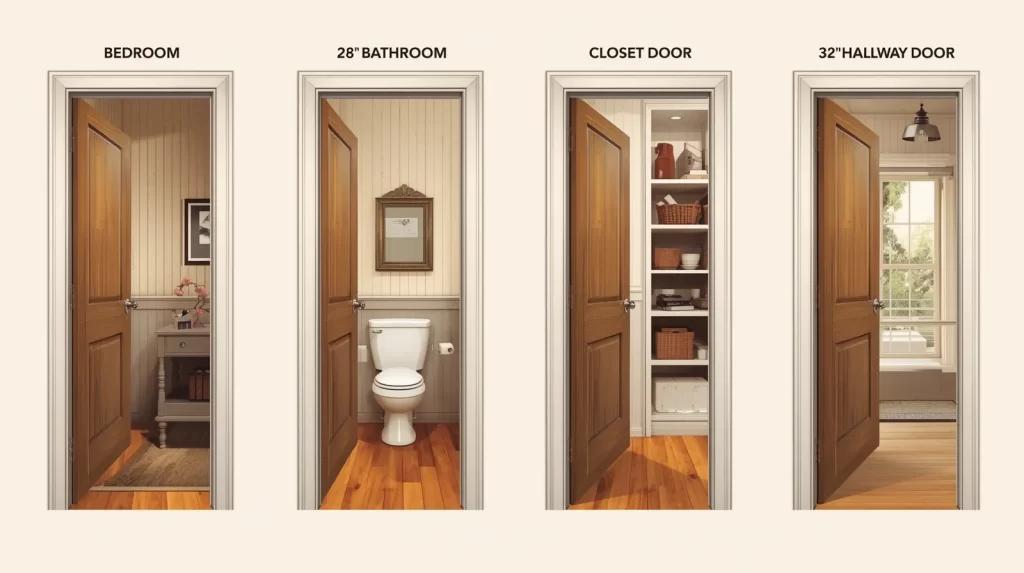
Different rooms use different door widths. Each room has unique functional needs.
The common bedroom door size is usually 30 inches wide. This width provides comfortable access while saving wall space.
Bathrooms often use 28 inch or 30 inch doors. Smaller bathrooms benefit from narrower doors to maximize usable space.
Closets may use doors as narrow as 24 inches. These doors do not require large openings.
Hallways sometimes use wider doors. A 32 inch or 36 inch door allows easier movement, especially when carrying furniture.
Common interior door sizes provide flexibility. Homeowners can choose the best size based on room function.
Selecting the right size improves comfort and usability.
Standard Interior Door Width, Height, and Thickness Explained Simply
Most interior doors follow consistent measurements. These measurements ensure reliability and compatibility.
Typical door height is 80 inches. Some modern homes use taller doors, such as 84 inches or 96 inches, for a more open appearance.
Door width varies depending on room needs. Common widths include:
- 24 inches
- 28 inches
- 30 inches
- 32 inches
- 36 inches
Many homeowners ask, how tall are doors. The answer depends on home design, but 80 inches remains the most common height.
Thickness usually measures 1⅜ inches. This thickness provides durability while maintaining easy operation.
Proper thickness also helps reduce noise transfer between rooms.
These measurements create balance between strength and functionality.
Standard Door Frame Size and How It Affects Door Fit and Installation
The standard door frame size must match the door perfectly. A mismatched frame creates operational problems.
The frame opening must be slightly larger than the door. This allows room for hinges and smooth movement.
Frames include structural components that support the door. These components prevent sagging and misalignment.
If the frame becomes damaged, the door may stop working properly. This causes sticking, uneven gaps, or difficulty closing.
Professional installers measure both the door and frame carefully. This ensures precise fit and reliable performance.
Correct frame sizing protects the door and extends its lifespan.
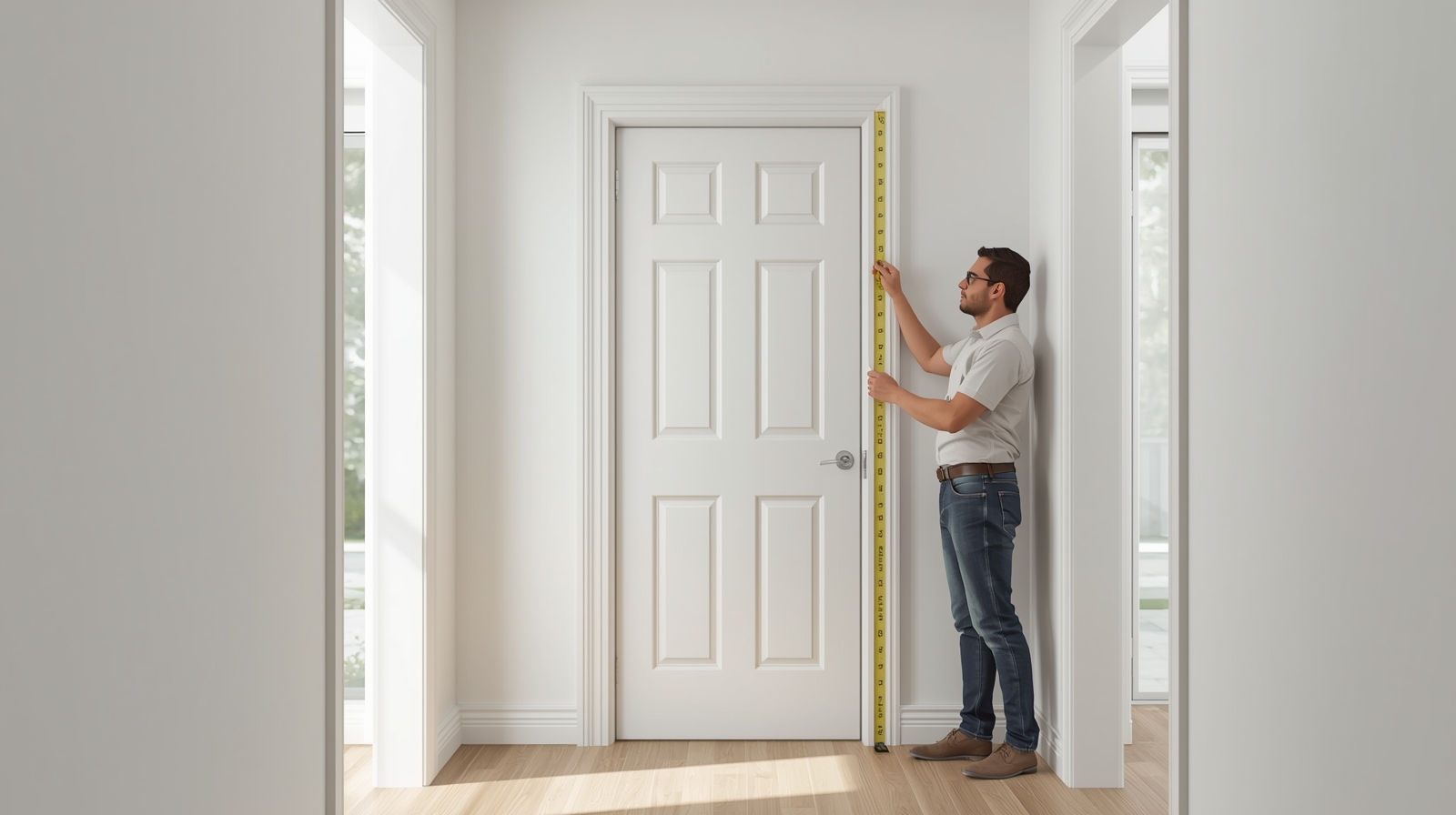
How to Measure the Standard Interior Door Size Correctly at Home
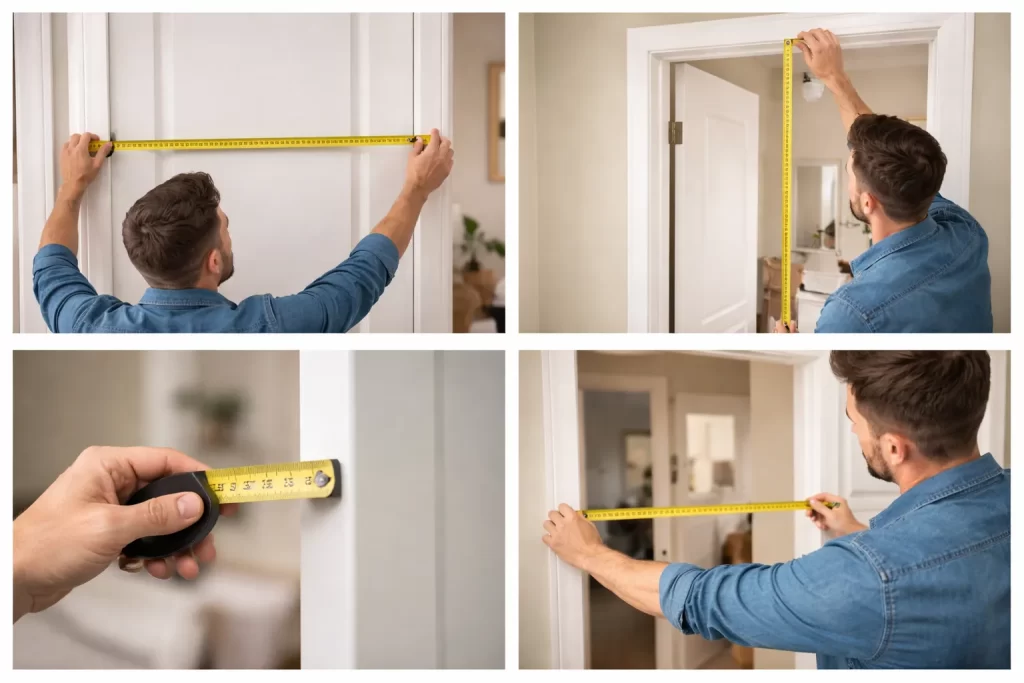
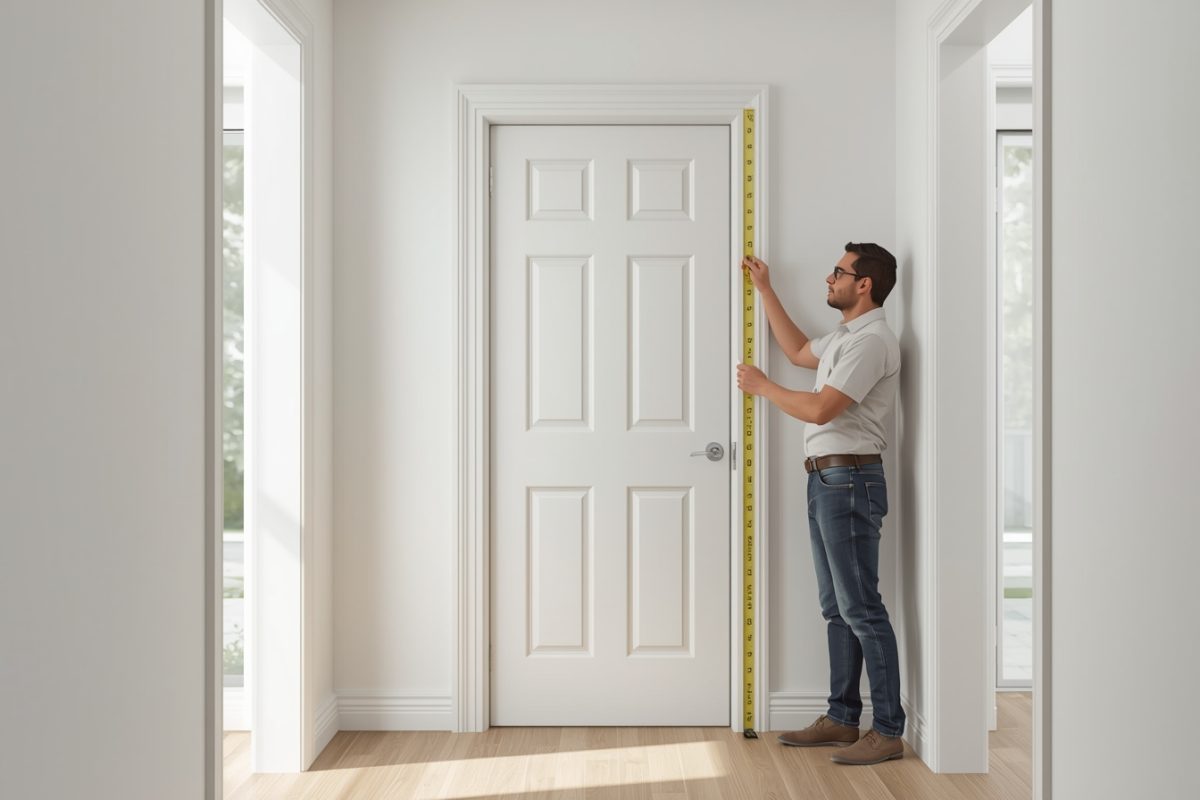
Accurate measurement ensures correct door replacement. Homeowners can measure their doors using simple steps.
First, measure the width from one side to the other. This gives the exact door width.
Next, measure height from top to bottom. This confirms door height.
Measure thickness by checking the edge of the door. This provides thickness measurement.
Also measure the frame opening. This ensures compatibility with the new door.
The measurement of standard door dimensions helps prevent installation problems.
Accurate measurements save time and money.
Interior Doors by Size, Choosing the Right Door for Each Room Type
Choosing interior doors by size depends on room function and accessibility needs.
Bedrooms benefit from standard widths. This provides comfort and privacy.
Bathrooms may use smaller doors to save space.
Living areas often use wider doors for easier movement.
Closets use narrow doors because they require less clearance.
Proper sizing improves convenience and usability.
Homeowners should consider both function and comfort.
Choosing the right size ensures long term satisfaction.
Standard Size Door Interior vs Exterior Door Size, Key Differences Homeowners Should Know
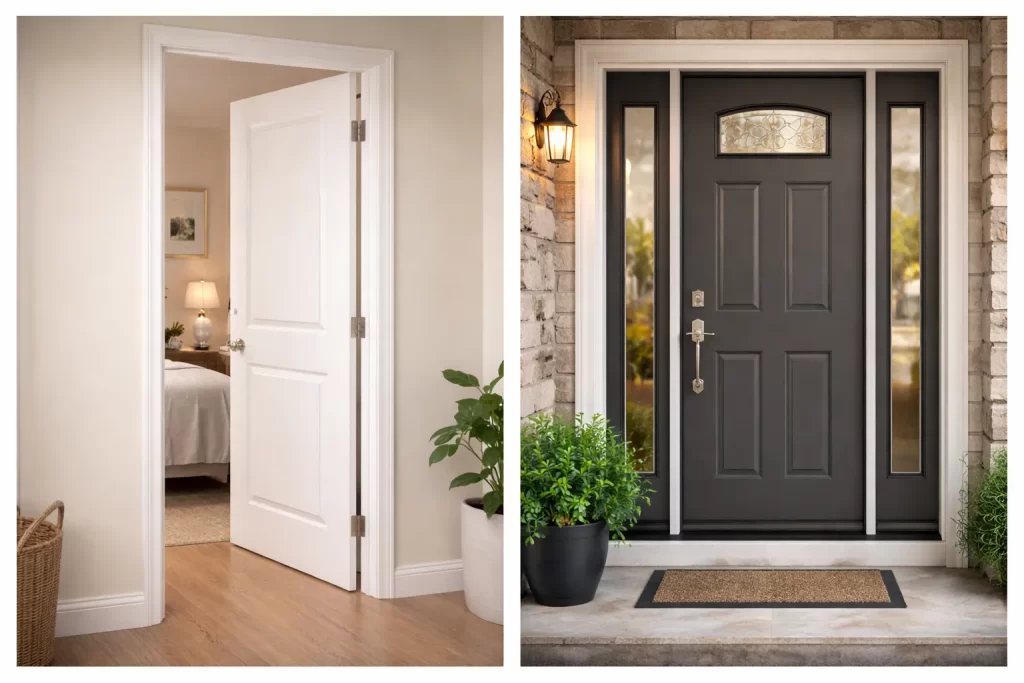
Interior and exterior doors serve different purposes. Their sizes and construction differ.
Interior doors focus on privacy and space efficiency. Exterior doors focus on security and weather protection.
The size of standard exterior door is usually thicker and heavier. Exterior doors often measure 36 inches wide and 80 inches tall.
Interior doors remain thinner and lighter.
Exterior doors include insulation and security features.
Interior doors focus on smooth operation and design.
Understanding these differences helps homeowners choose correctly.
When to Use Custom Interior Door Sizes and How Professionals Help Homeowners in Irvine, CA
Some homes require custom doors. Older homes often have non standard openings.
Custom doors ensure proper fit and function.
Professional installers evaluate the opening carefully. They recommend the best solution.
Repair Champions provides expert door assessment and installation services. Their team ensures accurate sizing and proper installation.
Custom solutions improve performance and appearance.
Professional help prevents costly mistakes.
How Choosing the Correct Standard Interior Door Size Improves Home Value, Function, and Long-Term Reliability
Choosing the correct door size improves daily comfort. Properly fitted doors open smoothly and close securely.
Correct sizing prevents damage to hinges and frames. This extends door lifespan.
Proper doors improve home appearance and usability.
Reliable doors improve privacy and comfort.
Repair Champions helps homeowners select and install properly sized interior doors. Their expertise ensures reliable performance and long term value.
Correct door sizing protects your investment.
A properly sized door improves comfort, safety, and overall home function.
If you need help selecting or installing the right interior door, professional guidance can make the process simple and stress free. Expert support ensures accurate measurement, proper installation, and long lasting results.